about us
Vitruvian Lodge No. 87 UGLE, London
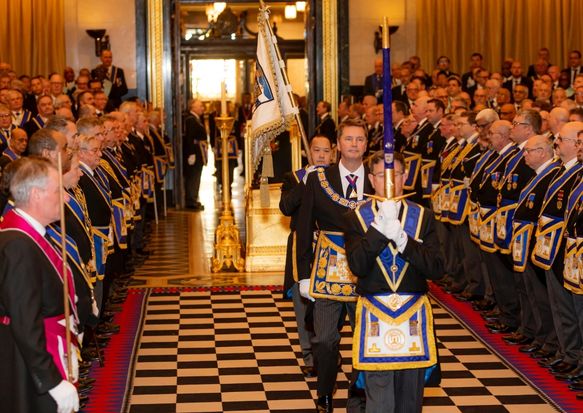
Meeting at Freemasons’ Hall, it is recognised as one of the older lodges in the United Grand Lodge of England, originally associated with the Antients Grand Lodge.
Founding and Constitution
- Chartered: Vitruvian Lodge was formally constituted on 18 May 1810 under the warrant of the Grand Lodge, during the reign of King George III.
- Serial number: 1547 (identified in historical Masonic records).
- The Lodge’s establishment dates to the period immediately preceding (and contributing to) the formation of the United Grand Lodge of England (UGLE) in 1813, when the “Ancient” and “Modern” Masonic traditions were united.
- Vitruvian Lodge is recognised as one of the oldest Antient lodges still in existence within the English Masonic system
about us
Why the name “Vitruvian” matters

- The lodge is named after Vitruvius, the Roman architect/engineer whose writings on architecture, measurement, and proportion strongly influenced later Western building traditions.
- In Freemasonry, references to building, geometry, and “the art of the architect” are common symbolic frameworks, so “Vitruvian” is a very deliberate choice of title and often signals a lodge culture that values those ideas (and sometimes attracts members connected to the built environment—though membership is not restricted to any profession).
Activities and Influence
- From its earliest decades, Vitruvian Lodge played an active part in the expansion of Freemasonry in England. For example, it served as the mother lodge for Whiteknights Lodge No. 5894, consecrated in 1943, demonstrating its lasting influence in the Craft.
- Throughout the 19th and 20th centuries the Lodge upheld Masonic traditions, fellowship, and charitable engagement consistent with UGLE’s values.
Preservation of Heritage
- A dedicated Lodge history was published in 1928 by A.J. Biggs, titled History of the Vitruvian Lodge No. 87, 1810–1928, indicating a long-standing tradition of recording and honouring the Lodge’s past.